Rethinking Falls Prevention
Falls remains one of the most serious health risks for older Australians living in Residential Care. Over 144,000 hospitalisations and 6,000 deaths occur due to fall-related injuries each year, often resulting in loss of mobility, independence and quality of life (Hurley et al, 2025).
The latest update to Cochrane’s global review and Australian Falls Guidelines suggest a shift. The findings are particularly relevant for clinicians who support older people in Aged Care, or who provide advice to families and facilities. In a nutshell, Vitamin D supplements, ongoing and tailored exercise programs and dietary improvements have been touted as ”among the most effective measures to reduce and prevent falls.” (Dyer et al, 2025).
Here are the main takeaways:
- The strongest falls-prevention systems don’t rely on a single intervention. They combine exercise, nutrition, staff engagement and data, and embed them into everyday care. Multifactorial, tailored approaches consistently outperform isolated programs, particularly when they become part of the routine workflow.
- Cochrane’s review confirm what many providers have observed anecdotally, that staff engagement is one of the strongest predictors of success. Aged Care facilities that tailor interventions to the individual need of the residents achieved reductions in falls of up to 39% compared to standard approaches (Suen et al., 2023). When staff are involved in the process, care shifts from compliance to ownership, leading to better outcomes for residents.
- It should be no surprise to us that exercise reduces falls.This review reinforces the benefits of ongoing exercise. The old adage of use it or lose it comes to mind!
- A landmark randomised control trial with 7,000 residents across 60 Aged Care homes found that increasing dairy intake to 3.5 servings per day, resulted in reduced total fractures by 33% at a cost of just A$0.66 per resident per day (Baek et al, 2023). The Cochrane 2025 review reinforced these findings, noting that increasing dairy servings may decrease both the number of fallers and fracture risk in Aged Care. Great example of how small, dietary adjustments can rival pharmacological interventions, with fewer barriers and broader benefits.
Falls prevention is a key part of wellness and reablement.
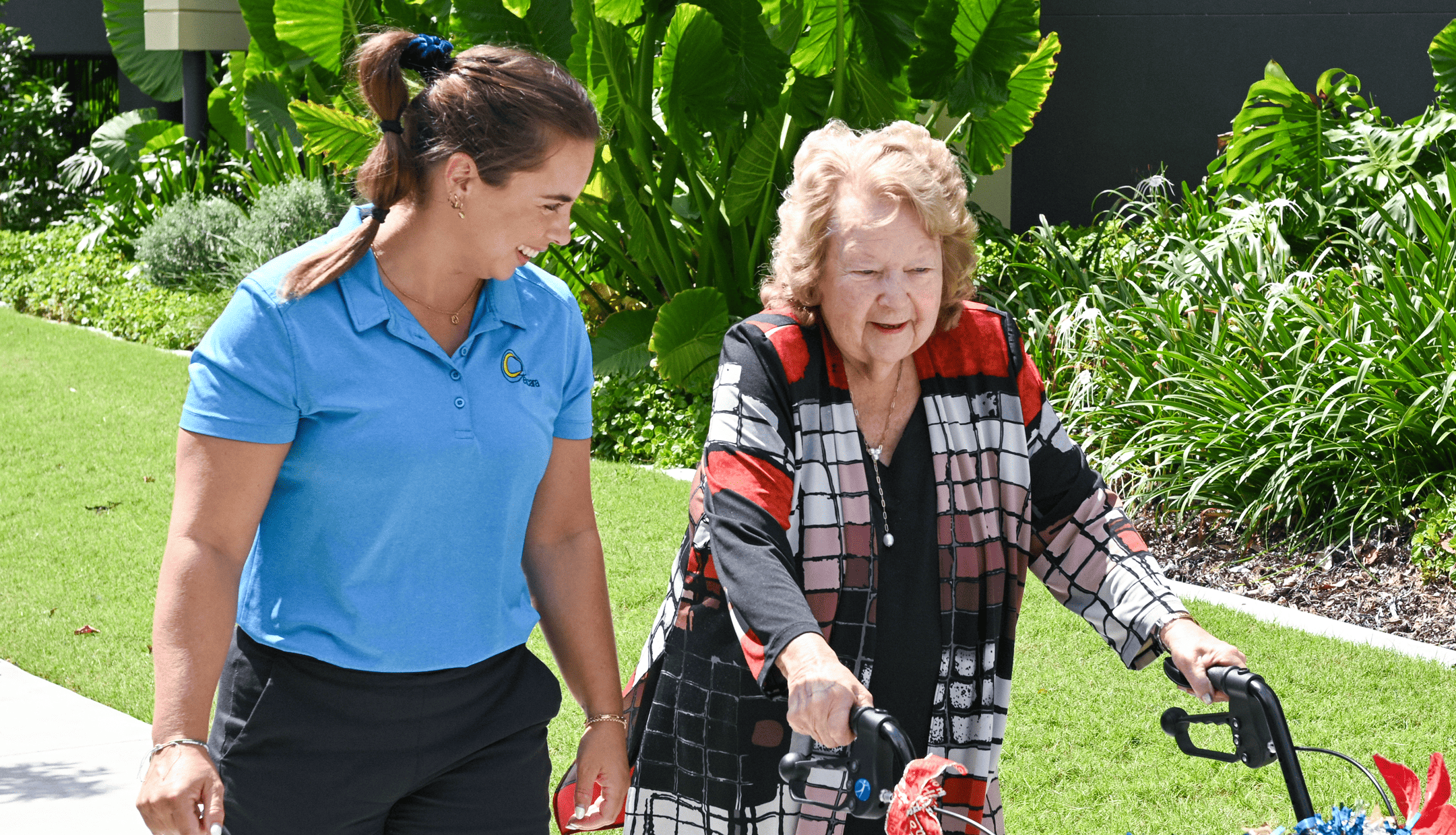
The next step is about getting the most out of the strategies we know work, not reinventing the wheel. Our Team helps residents stay active while maintaining strength, balance and confidence through consistent, well‑supported programs. For 20 years we have worked alongside you to provide tailored recommendations, practical training and hands-on support to make falls-prevention strategies part of everyday care.
Encara integrates evidence-based falls prevention into daily life, helping Aged Care and In-Home Care providers reduce injury, promote reablement and overall wellbeing. Partner with us to strengthen your care model with trusted Integrated Allied Health Services. Contact our Team on
1300 761 965 or email enquiries@encara.com.au
…………………………………………………………..
References
Dyer, S.M., Kwok, S.W., Suen, J. et al, (2025) Interventions for preventing falls in older people in care facilities.
Hurley, S. (2025) Latest global evidence shows exercise, dairy-rich diet and vitamin D can help reduce falls in aged care homes Insight Issue 25
Baek.Y, et al, (2023) Increasing dairy intake for aged care residents helps reduce risk of fractures and could save up to $66 million in healthcare costs
ACSQHC (2025) Preventing falls and harm from falls in Older People: Best Practice Guidelines for
Australian Residential Aged Care Services